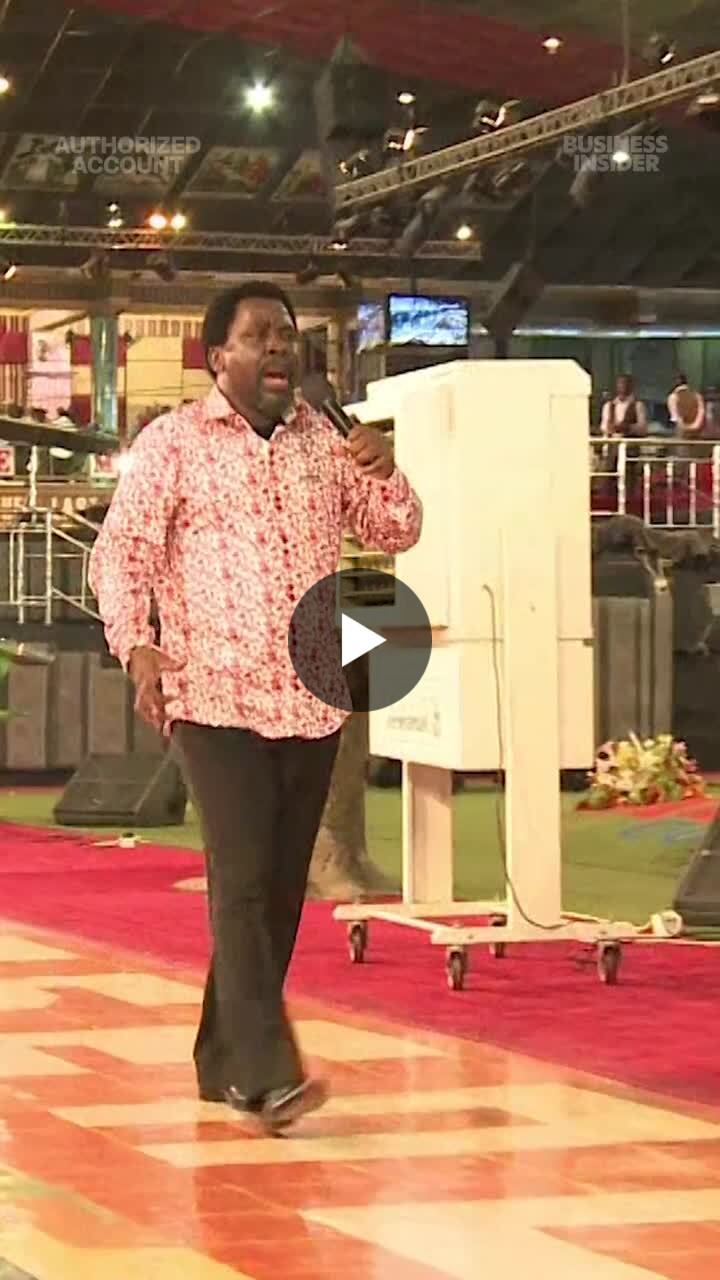
The business model behind televised religious programming can depend on scale: a global audience, recurring small-dollar donations, and emotionally persuasive fundraising messages. Costi Hinn, a pastor who once participated in this theology, explains how some televangelists use “seed faith” appeals that link financial giving to hoped-for outcomes such as healing or financial relief. He says it can leave vulnerable people blaming themselves when the promised outcome does not materialize. Like
The business model behind televised religious programming can depend on scale: a global audience, recurring small-dollar donations, and emotionally persuasive fundraising messages. Costi Hinn, a pastor who once participated in this theology, explains how some televangelists use “seed faith” appeals that link financial giving to hoped-for outcomes such as healing or financial relief. He says it can leave vulnerable people blaming themselves when the promised outcome does not materialize. LikeThis article was originally published by Social Network Release.
Read Full Story on Source Site →